Ensuring Emergency Power with Diesel Generators A Comprehensive Guide to Maintenance


Introduction
In today's fast-paced world, uninterrupted power supply is crucial for businesses, industries, and households alike. However, power outages can occur unexpectedly due to various reasons such as severe weather conditions, equipment failures, or grid instability. To ensure continuous operations and prevent disruptions, many organizations rely on backup power systems, with diesel generators being a popular choice for emergency power supply.
Diesel generators are versatile and reliable machines that provide backup power during outages, making them essential for critical facilities such as hospitals, data centers, telecommunications infrastructure, and industrial plants. To ensure that diesel generators operate efficiently when needed, regular maintenance is essential. This article will provide a comprehensive guide to diesel generator maintenance for emergency power applications, covering key aspects such as inspection, testing, and troubleshooting.
Importance of Diesel Generators for Emergency Power
Diesel generators play a critical role in providing emergency power during blackouts and grid failures. Unlike gasoline generators, diesel generators are more fuel-efficient, have a longer lifespan, and are more reliable for continuous use. These qualities make diesel generators ideal for applications that require extended periods of backup power, such as hospitals, manufacturing facilities, and telecommunications networks.
One of the key advantages of diesel generators is their ability to provide high power output and withstand heavy loads. Diesel engines are known for their durability and robustness, making them well-suited for emergency situations where power demand may fluctuate or spike suddenly. In addition, diesel fuel is less volatile than gasoline, reducing the risk of accidents or fires during operation.
Another important factor that makes diesel generators popular for emergency power applications is their availability and ease of refueling. Diesel fuel is widely available and can be stored for long periods without degradation, ensuring that the generator can be quickly refueled during extended outages. This reliability and ease of maintenance make diesel generators a preferred choice for organizations that cannot afford downtime or disruptions in power supply.
Key Components of a Diesel Generator
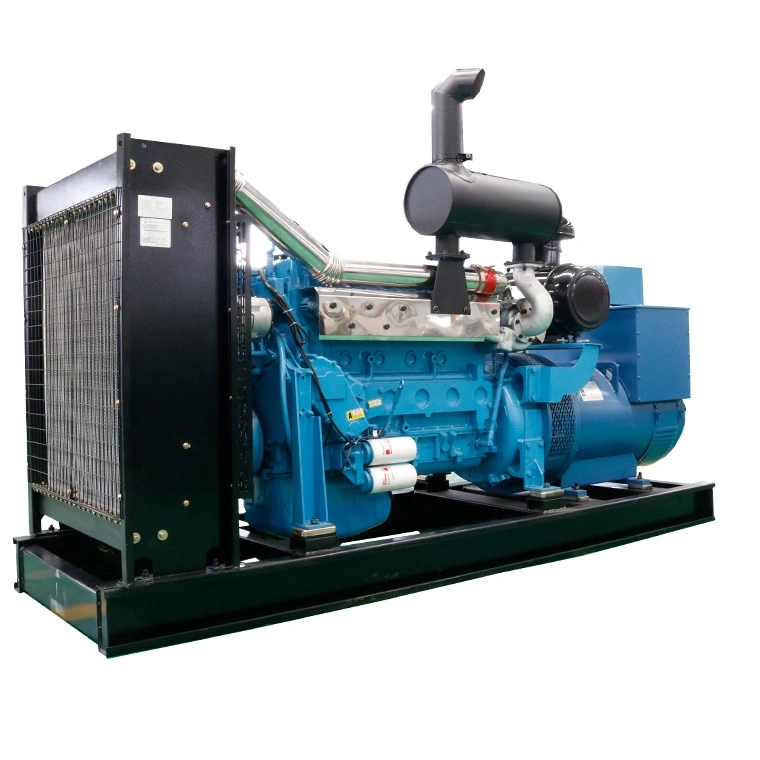
Before delving into maintenance procedures, it is essential to understand the key components of a diesel generator and how they work together to generate electricity. A typical diesel generator consists of the following main components:
1. Diesel Engine: The heart of the generator, the diesel engine converts the energy stored in diesel fuel into mechanical energy through combustion. The engine drives the generator alternator to produce electricity.
2. Alternator: Also known as the generator head, the alternator is responsible for converting the mechanical energy from the engine into electrical energy. The alternator consists of coils of wire that create an electromagnetic field when rotated by the engine, inducing an electrical current.
3. Voltage Regulator: The voltage regulator controls the output voltage of the generator to maintain a stable power supply. It adjusts the excitation current to the alternator based on the load demand and ensures that the voltage remains within acceptable limits.
4. Fuel System: The fuel system delivers diesel fuel from the storage tank to the engine for combustion. It consists of components such as fuel filters, fuel pumps, and injectors that ensure the proper supply of fuel to the engine.
5. Cooling System: The cooling system prevents the diesel engine from overheating during operation. It typically includes a radiator, coolant pump, and thermostat to regulate the engine temperature and dissipate excess heat.
6. Exhaust System: The exhaust system removes combustion gases from the engine and directs them outside the generator enclosure. It includes components such as the exhaust manifold, muffler, and exhaust pipe.
7. Control Panel: The control panel houses the electrical components that monitor and control the generator operation. It displays vital parameters such as voltage, frequency, and engine status, and allows operators to start, stop, and adjust the generator settings.
Regular Inspection and Maintenance Procedures
To ensure the reliability and performance of a diesel generator for emergency power applications, regular inspection and maintenance are essential. Proper maintenance not only extends the lifespan of the generator but also reduces the risk of unexpected failures during critical operations. The following are key inspection and maintenance procedures that should be performed on a diesel generator:
1. Visual Inspection: A visual inspection of the generator should be conducted regularly to check for any signs of wear, damage, or leaks. Inspect the engine, alternator, fuel system, cooling system, and exhaust system for any visible issues that may indicate potential problems.
2. Fluid Levels Check: Check the oil, coolant, and fuel levels in the generator regularly and top them up as needed. Low fluid levels can lead to engine overheating, poor lubrication, or fuel starvation, causing damage to the generator components.
3. Oil and Filter Changes: Regular oil changes are essential to maintain the performance of the diesel engine and prolong its lifespan. Change the oil and oil filter according to the manufacturer's recommendations to ensure proper lubrication and cleanliness of the engine.
4. Fuel System Inspection: Inspect the fuel system components such as fuel filters, fuel lines, and injectors for any signs of clogging, leaks, or contamination. Clean or replace the fuel filters as needed to ensure a clean and consistent fuel supply to the engine.
5. Cooling System Maintenance: Check the coolant level, condition, and concentration regularly to prevent overheating of the engine. Inspect the radiator, coolant hoses, and water pump for leaks or damage, and flush the cooling system periodically to remove debris and contaminants.
6. Battery Inspection: Check the condition of the generator's batteries, terminals, and cables to ensure proper starting and operation. Clean 300kw diesel generator , check the electrolyte levels, and test the battery voltage periodically to prevent starting issues.
7. Belt and Pulley Inspection: Inspect the drive belts and pulleys of the generator for wear, cracks, or misalignment. Tighten or replace the belts as needed to ensure proper power transmission between the engine and alternator.
8. Air Filter Replacement: Clean or replace the air filter regularly to prevent dust and debris from entering the engine and causing damage. A clogged air filter can restrict airflow to the engine, leading to decreased performance and increased fuel consumption.
9. Exhaust System Check: Inspect the exhaust system for leaks, corrosion, or damage that may affect the engine operation or pose a safety hazard. Check the exhaust pipe, muffler, and connections for tightness and integrity.
10. Load Bank Testing: Periodic load bank testing is essential to verify the performance and capacity of the generator under varying loads. Load bank testing simulates real-world conditions and ensures that the generator can meet the required power output during emergencies.
Troubleshooting Common Generator Issues
Despite regular maintenance, diesel generators may encounter issues that require troubleshooting and repair. Understanding common generator problems and their causes can help operators diagnose and resolve issues quickly to minimize downtime and prevent further damage. The following are some common generator issues and troubleshooting steps:
1. Failure to Start: If the generator fails to start, check the fuel level, battery charge, and starter motor operation. Ensure that the fuel supply is clean and free of contaminants, the battery terminals are clean and tight, and the starter motor is functioning correctly.
2. Low Power Output: If the generator is producing low power output, check the load demand, voltage regulator settings, and fuel quality. Adjust the load settings, calibrate the voltage regulator, and ensure that the fuel is of the correct grade and free from impurities.
3. Overheating: Engine overheating can occur due to low coolant levels, clogged radiator, or malfunctioning thermostat. Check the coolant level, radiator condition, and thermostat operation, and clean or replace components as needed to prevent overheating.
4. Excessive Smoke: Excessive smoke from the exhaust can indicate issues such as fuel contamination, incorrect air-fuel mixture, or worn engine components. Check the fuel quality, air filter, and engine components for signs of wear or damage, and address the root cause of the smoke.
5. Oil Leaks: Oil leaks can occur due to damaged gaskets, seals, or loose connections in the engine. Inspect the engine for oil leaks, tighten connections, and replace faulty gaskets or seals to prevent oil contamination and loss.
6. Voltage Fluctuations: Voltage fluctuations can be caused by a faulty voltage regulator, loose connections, or overload conditions. Check the voltage regulator settings, tighten electrical connections, and adjust the load demand to stabilize the output voltage.
7. Excessive Vibration: Excessive vibration in the generator can indicate misalignment, loose components, or worn bearings. Inspect the engine mounts, pulleys, and bearings for signs of wear or damage, and replace or realign components to reduce vibration.
Conclusion
Diesel generators are indispensable for providing emergency power during blackouts and grid failures, ensuring continuity of operations for critical facilities and businesses. To maintain the reliability and performance of diesel generators, regular inspection and maintenance are essential. By following proper maintenance procedures, operators can extend the lifespan of the generator, prevent unexpected failures, and ensure uninterrupted power supply during emergencies.
This comprehensive guide to diesel generator maintenance covers key aspects such as visual inspection, fluid levels check, oil and filter changes, fuel system inspection, cooling system maintenance, battery inspection, air filter replacement, exhaust system check, load bank testing, and troubleshooting common generator issues. By implementing these maintenance practices, operators can maximize the uptime and efficiency of diesel generators, safeguarding against power outages and ensuring business continuity.
In conclusion, diesel generators are a reliable and efficient solution for emergency power supply, and proper maintenance is crucial to their performance and longevity. With proactive maintenance and timely repairs, diesel generators can provide reliable backup power when needed most, ensuring peace of mind for operators and end-users alike.